Belfast. 7
Day 7. The whole day to explore Belfast: A City Forged by Industry, Tempered by History, and Full of Surprises
Belfast, the capital of Northern Ireland, is a city that wears its past on its sleeve and strides confidently into the future. From ancient Celtic roots to shipbuilding glory, from linen mills to political turmoil, and now into a new era of cultural vibrancy, Belfast is a city that defies simple labels. It is gritty and grand, tragic and beautiful — and always utterly fascinating.
Day1, 2, 3, 4, 5, 6, 7, 8, 9, 10, 11, 12
Ancient Origins to Urban Beginnings
Long before its industrial skyline took shape, Belfast began as a small settlement along the banks of the River Lagan. The name Béal Feirste means “mouth of the sandbank ford” in Irish, a nod to its strategic location where the river meets Belfast Lough. Archaeological finds suggest settlement in the area as far back as the Bronze Age, but it was during the Norman period in the 12th century that the area began to take on more structure, with castles and trade routes forming.
By the 17th century, Belfast was growing as a modest market town. The Plantation of Ulster, a colonial project by the English Crown, brought settlers from Scotland and England to the north of Ireland. This created a patchwork of communities, cultures, and religions that would shape Belfast’s identity for centuries to come — not always peacefully.
Linenopolis and the Rise of Industry
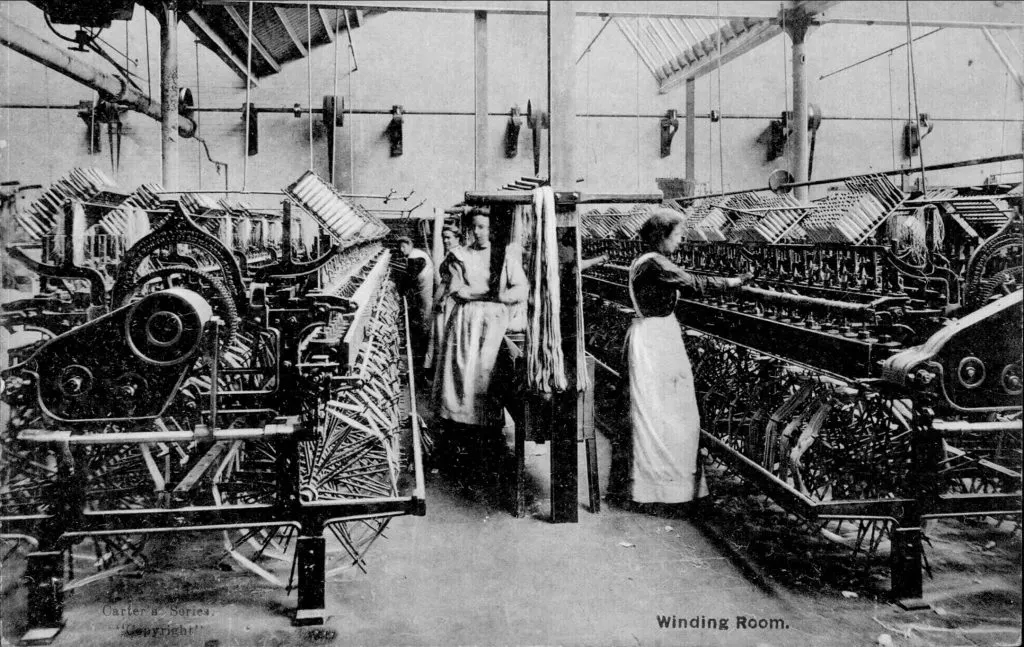
In the 18th and especially the 19th centuries, Belfast transformed from a small town to a booming industrial city. The secret? Linen.
Belfast earned the nickname “Linenopolis” as it became the world’s largest producer of linen, exporting across Europe and the British Empire. The mills hummed with activity, and the city became a hive of production. Workers from surrounding rural areas poured into the city, creating the dense, red-bricked neighbourhoods that still define parts of Belfast today.
But it wasn’t just about linen. The city’s strategic location and shipbuilding potential turned it into one of the most important industrial centres in the United Kingdom. And this is where Harland & Wolff enters the scene.
Harland & Wolff and the Titanic Legacy
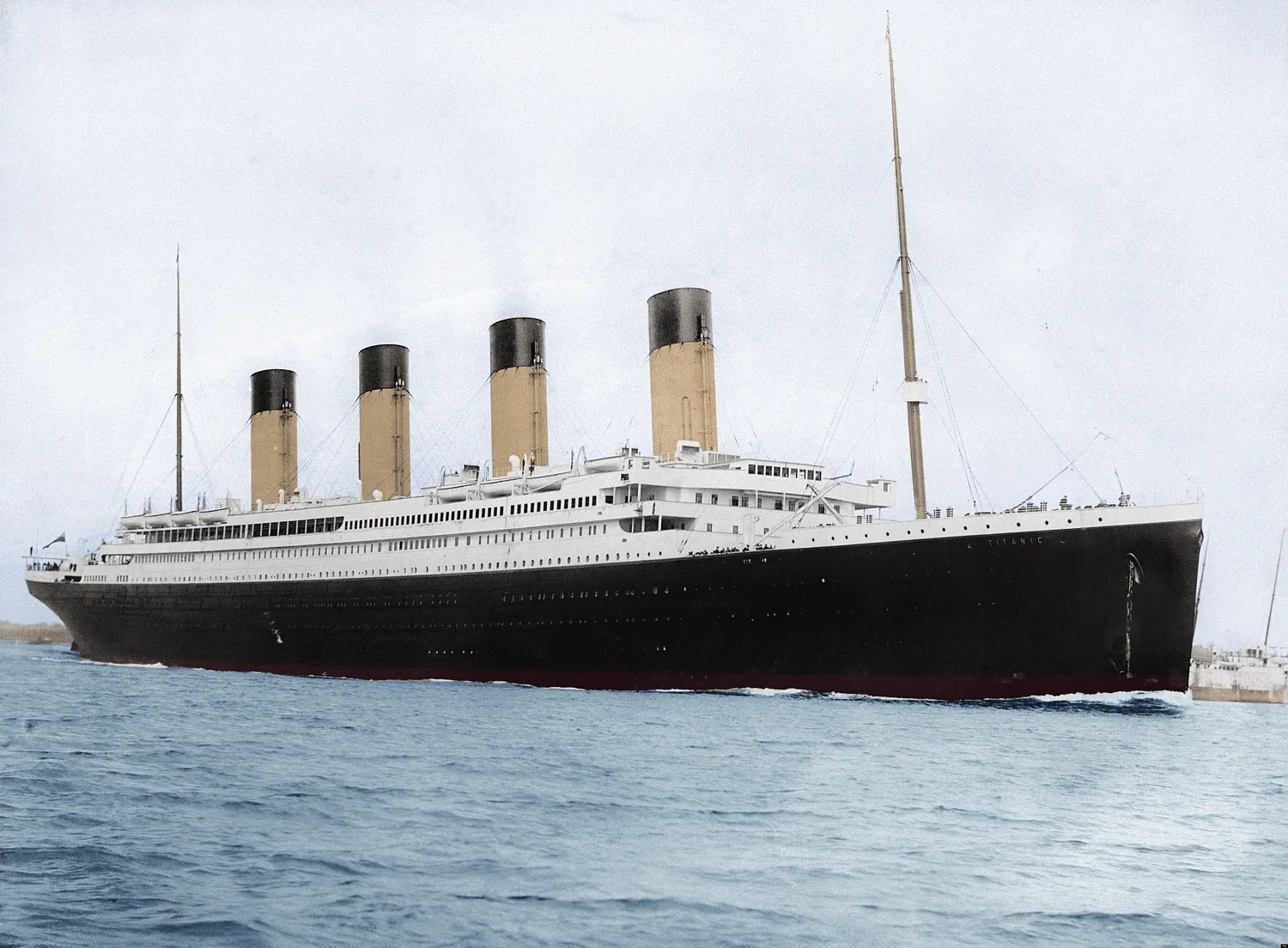
Founded in 1861, Harland & Wolff became one of the world’s most renowned shipbuilders. Its most famous creation? RMS Titanic, launched in 1911 from Belfast’s docks.
The Titanic was a source of immense pride for the city — an engineering marvel that symbolised Belfast’s place on the world stage. Though the ship’s tragic end in 1912 cast a long shadow, today Belfast has reclaimed the story. The stunning Titanic Belfast visitor centre, opened in 2012, stands on the very slipways where the ship was built. It’s now one of the city’s top attractions, combining historical insight with immersive design.
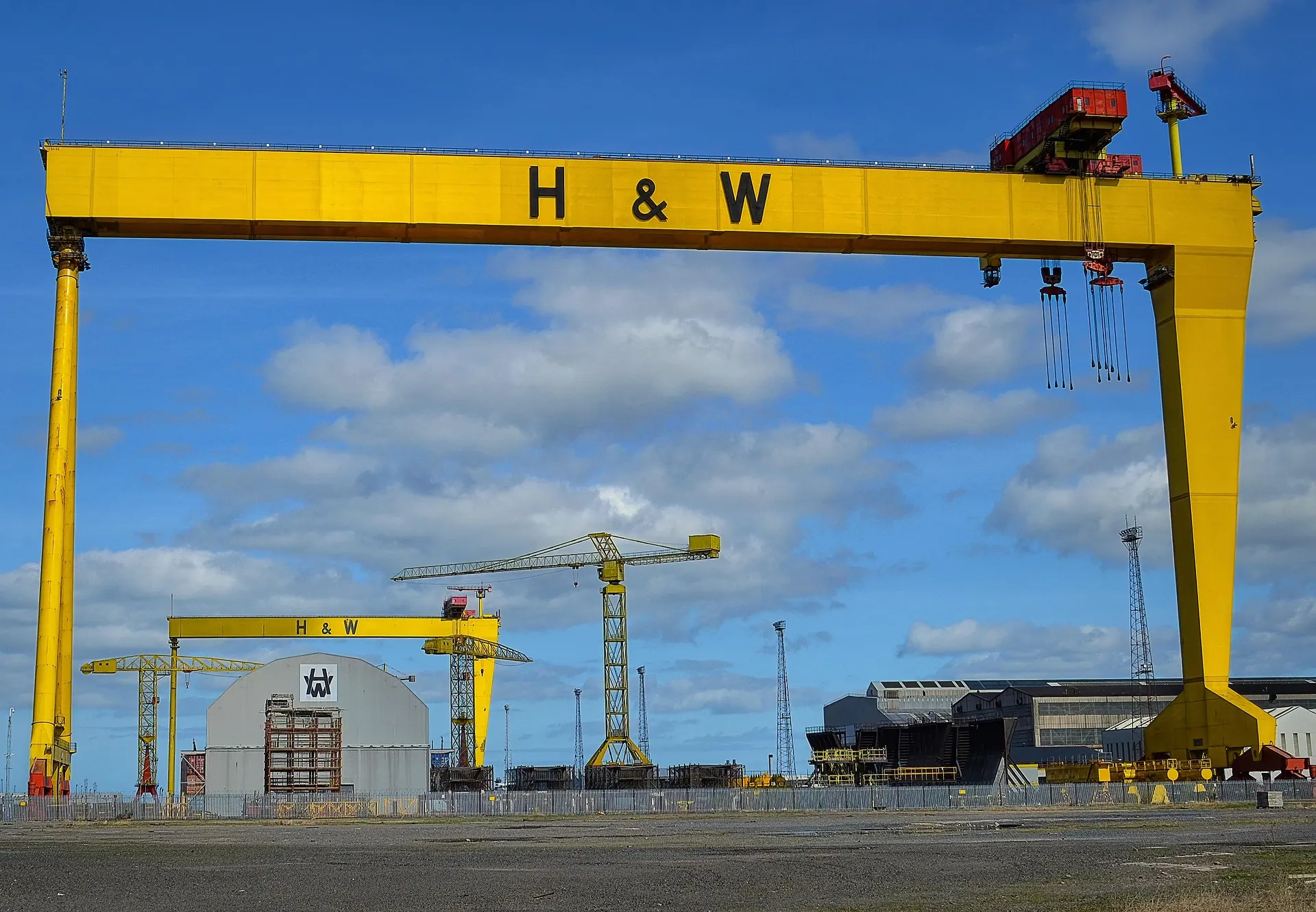
Beyond Titanic, Harland & Wolff produced countless ships, especially during wartime, and its iconic yellow gantry cranes, Samson and Goliath, still dominate the skyline — powerful reminders of Belfast’s industrial legacy.
Day1, 2, 3, 4, 5, 6, 7, 8, 9, 10, 11, 12
The Troubles: A City Divided
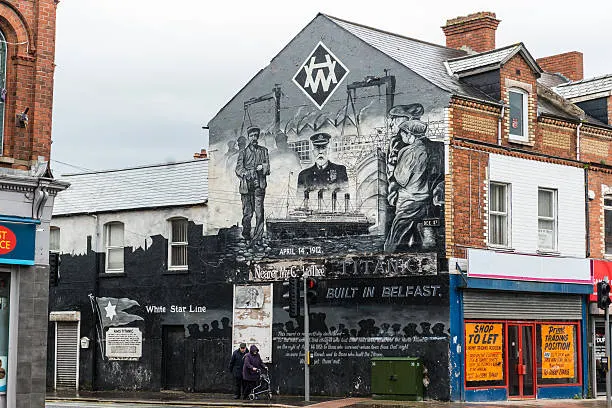
Yet for all its industrial achievement, Belfast is perhaps best known — and sometimes unfairly reduced — to its role in The Troubles, the violent and complex conflict that shook Northern Ireland from the late 1960s to the late 1990s.
Rooted in centuries of political, religious, and national tension, The Troubles pitted unionists/loyalists (mostly Protestant, who identified as British) against nationalists/republicans (mostly Catholic, who identified as Irish). Belfast became a frontline city. Bombings, shootings, and street violence were tragically common. Entire neighbourhoods were divided by “peace walls”, and even today, murals and memorials speak to the pain, pride, and politics of this period.
The most heavily affected areas, such as Falls Road and Shankill Road, still bear visual testimony to this chapter of history. But they are also home to resilient communities and storytellers eager to explain their lived experiences — often offering walking tours or local insights to visitors seeking to understand more than headlines.
The Good Friday Agreement and the Path Forward
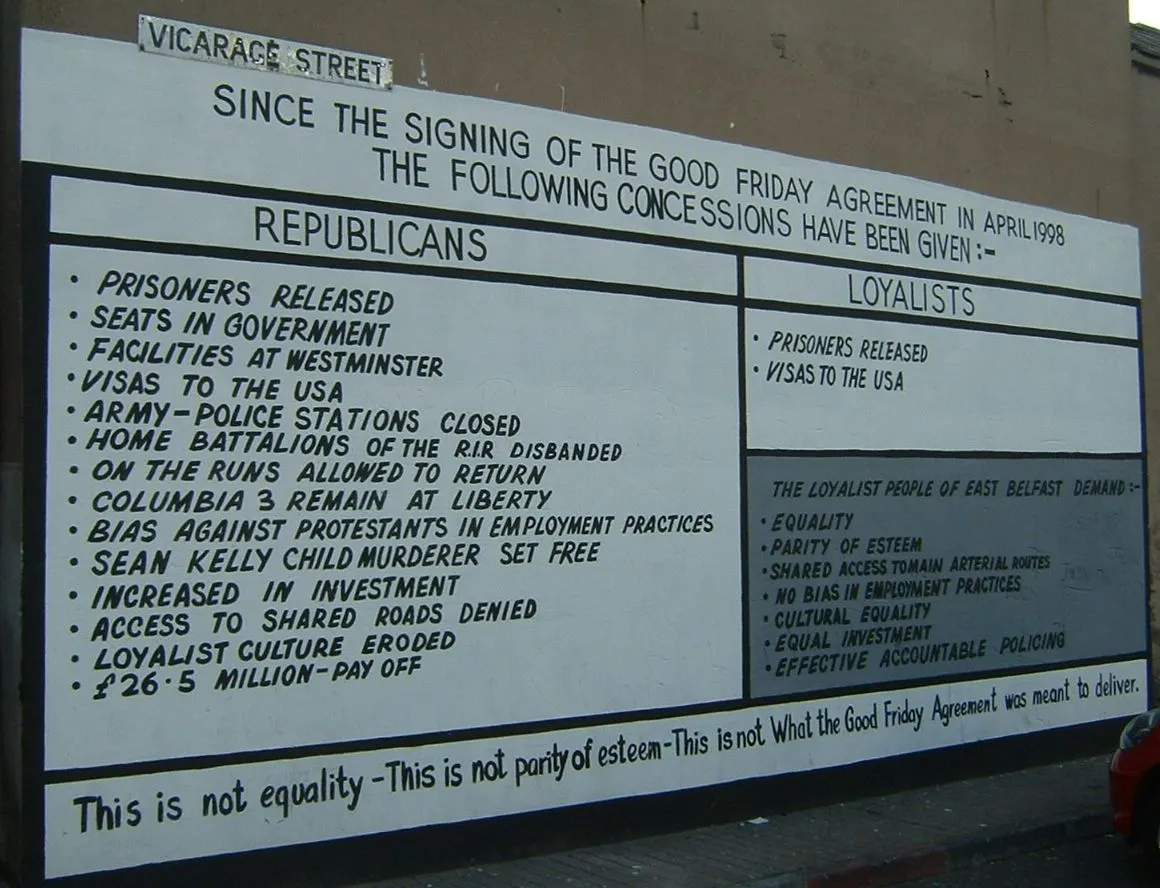
On 10 April 1998, everything changed. After years of talks, the Good Friday Agreement (also known as the Belfast Agreement) was signed, marking a turning point in Northern Ireland’s history. It established a power-sharing government, recognised both British and Irish identities, and laid the groundwork for peace.
Though challenges remain, the transformation in Belfast since the agreement has been nothing short of remarkable. Once-empty shipyards now host tech start-ups and film studios. Divisive walls are slowly coming down, replaced by shared public spaces and cultural centres.
The Europa Hotel, once the most bombed hotel in Europe, is now a symbol of resilience — and a stylish place to stay, dine, or just enjoy a cocktail with a view of the ever-changing city skyline.
Modern Belfast: Culture, Cuisine, and Creativity
Today, Belfast is buzzing with life. Its Cathedral Quarter is the heart of the city’s arts scene, packed with galleries, street art, lively pubs, and live music. The MAC (Metropolitan Arts Centre) and Lyric Theatre offer top-tier performances, while the Ulster Museum brings history, art, and science under one roof — and it’s free!
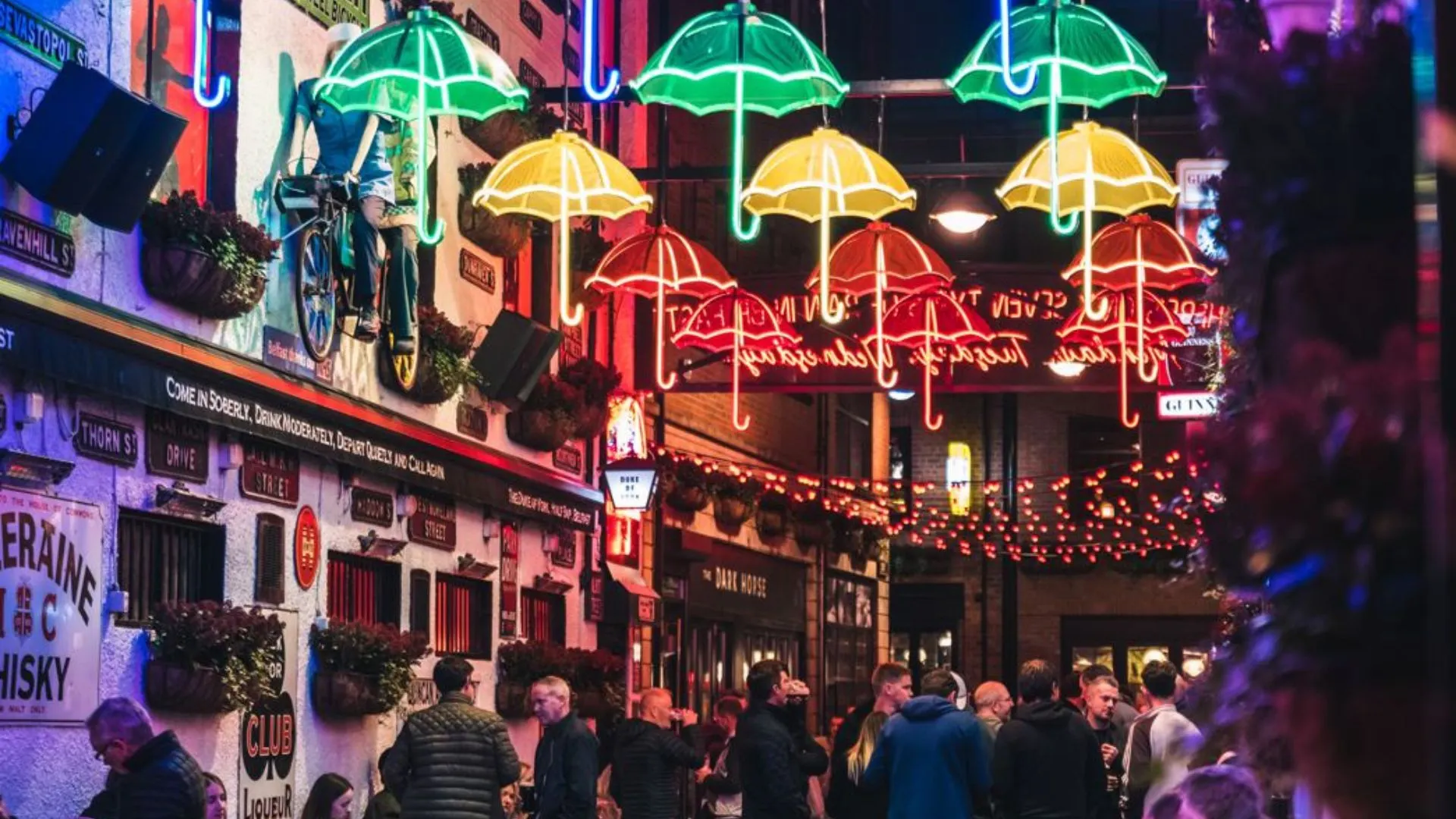
Belfast’s food scene has exploded in recent years, too. Once dominated by heavy, traditional fare, the city now boasts an array of restaurants serving everything from fine Irish cuisine to vegan street food. Markets like St George’s Market offer a taste of local produce, live music, and artisan crafts — all under one Victorian roof.
Even the River Lagan, once heavily polluted, has undergone a revival, with clean-up efforts bringing back wildlife and walking paths along the Lagan Towpath that now serve as popular urban escapes.
A City of Contrast and Character
What makes Belfast truly special is its contrast. You can visit a Victorian prison in the morning, admire modern street art by lunch, explore a linen mill turned theatre in the afternoon, and sip craft gin in a jazz bar by night. It’s a city where old and new exist side by side — not always easily, but always honestly.
More than anything, Belfast is a city of people. Warm, wry, and wonderfully direct, locals will tell you their stories with humour and heart. Whether you’re exploring its complex past or enjoying its creative present, Belfast welcomes you not just as a tourist but as a guest.
Belfast doesn’t pretend to be perfect — but that’s part of its charm. It’s a city that acknowledges its past, embraces change, and celebrates the full spectrum of its story. From ancient fords to linen looms, shipyards to street art, Belfast continues to evolve — and invites you to be part of its next chapter.
Day1, 2, 3, 4, 5, 6, 7, 8, 9, 10, 11, 12
The Belfast Black Cab Tours Experience: History, Humanity & Honest Conversations
A ride in one of Belfast’s iconic Black Cabs is more than just a sightseeing trip — it’s a moving, deeply personal journey through one of the most complex chapters of modern European history. The Belfast Black Cab Tours offer a unique, eye-opening experience led by local guides — many of whom lived through The Troubles
themselves.
These are not scripted tours. Each guide shares real-life stories, shaped by their own experiences growing up in a divided city. As you travel through areas like the Falls Road and Shankill Road, you’ll see the famous political murals, peace walls, and memorials — powerful symbols of conflict, identity, and ongoing reconciliation.
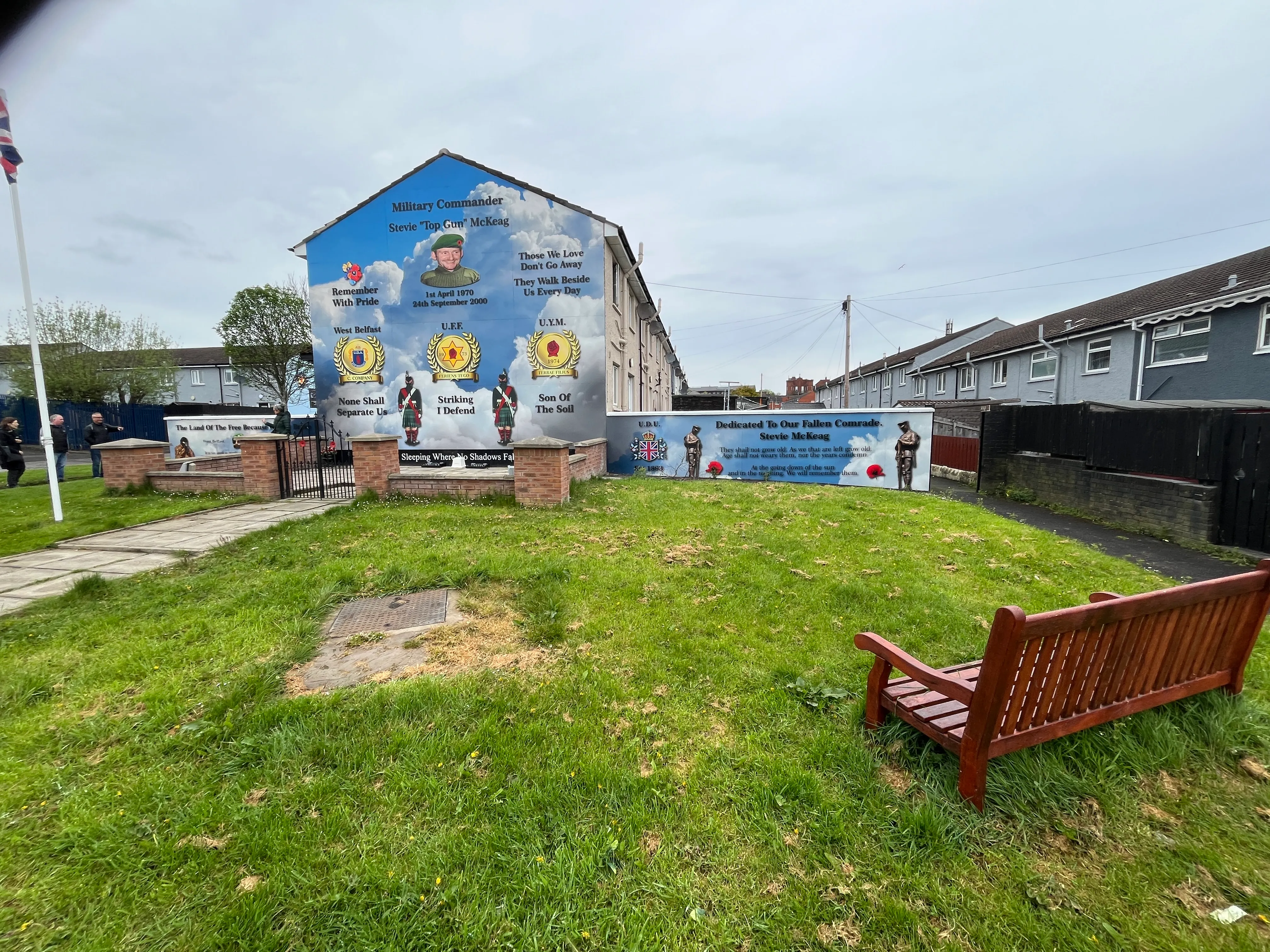
But this tour is about more than walls and wounds. It’s about understanding. Your guide will help explain the background of the Troubles — the religious, political, and social tensions that led to decades of conflict — with honesty, nuance, and compassion. They’ll answer your questions, encourage dialogue, and show how communities are moving forward.
You’ll also learn how Belfast has transformed — from a city under siege to one of culture, creativity, and resilience.
Whether you’re a history lover or just curious to understand the city beneath the surface, a Black Cab Tour offers something truly rare: a human connection to history.
You’ll leave not only more informed, but also more inspired — and with a newfound respect for the people of this remarkable city.
Day1, 2, 3, 4, 5, 6, 7, 8, 9, 10, 11, 12
The Titanic Belfast Experience – The Museum and Its Legacy
In the heart of Belfast’s Titanic Quarter stands one of the world’s most compelling and visually striking museums — Titanic Belfast. Opened in 2012, on the centenary of the ship’s ill-fated maiden voyage, the museum tells the remarkable story of the RMS Titanic and the city that built her.
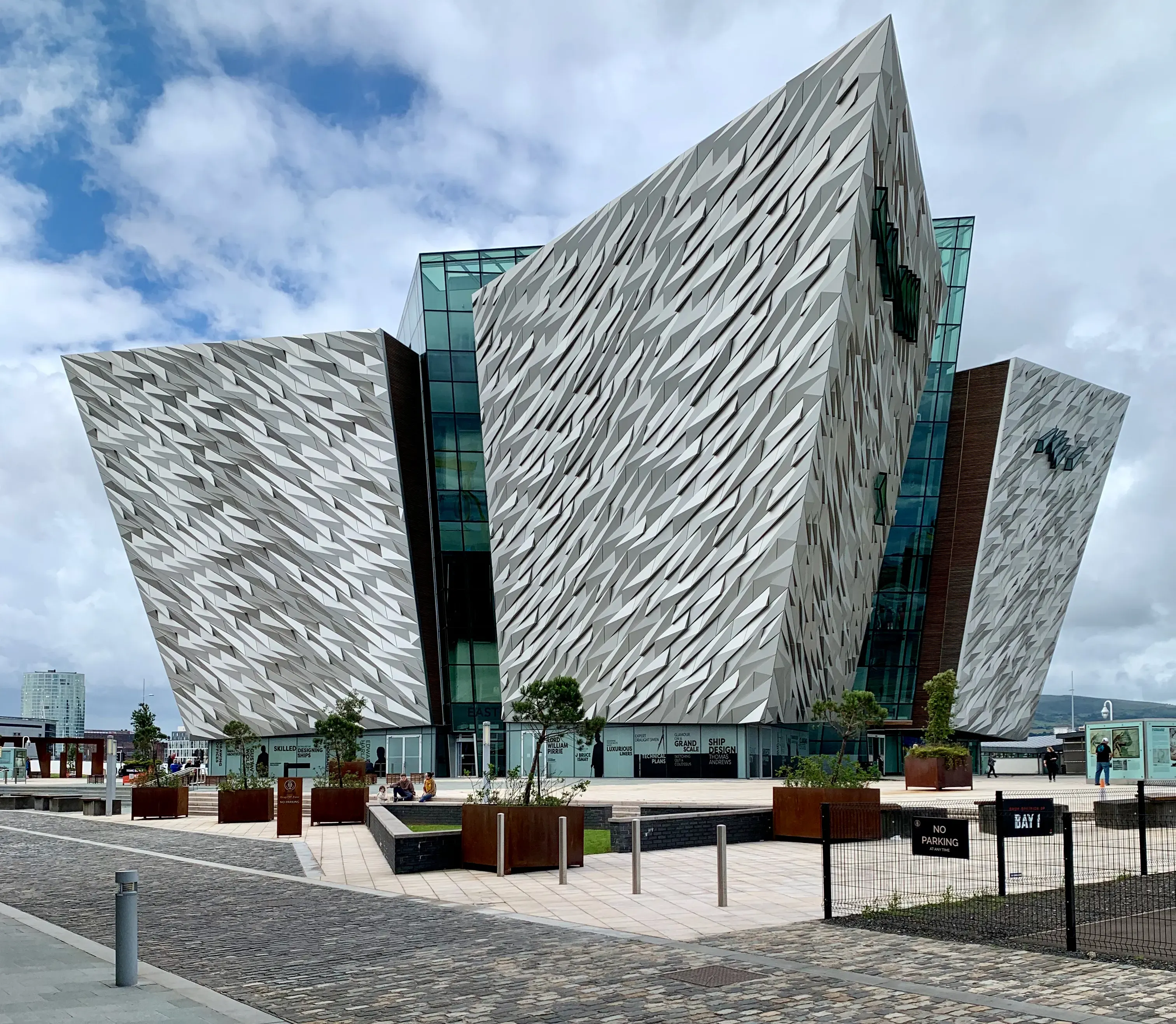
The building itself is a work of art — its angular, silver façade reflects the shape of ship hulls, icebergs, and even the White Star Line’s emblem. It’s located on the exact site of the former Harland & Wolff shipyard, where the Titanic was designed, built, and launched. Just beside it lie the original slipways and dry docks, giving visitors a powerful sense of place and scale.
The museum offers nine interactive galleries, tracing Belfast’s transformation from a bustling linen and shipbuilding city into the industrial giant of the British Empire. The journey begins with the city’s roots, then moves through the design and construction of Titanic, the craftsmanship that went into her, and the harsh conditions faced by the workers who built her.
One of the highlights is the Shipyard Ride, an immersive experience that simulates the sights, sounds, and even heat of the welding shops. Visitors are transported into the day-to-day life of a shipbuilder working in the early 1900s.
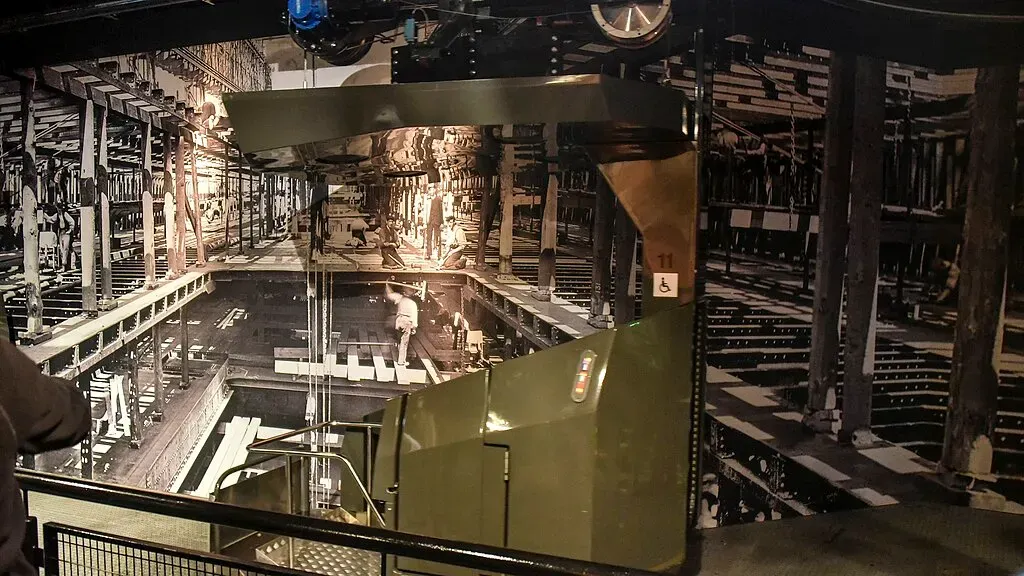
The exhibition continues with a faithful recreation of Titanic’s lavish interiors, showcasing First-Class suites, the Grand Staircase, and contrasting views of Second and Third-Class conditions. The attention to historical detail helps visitors feel the grandeur — and inequality — of life aboard.
Of course, the museum also tells the story of Titanic’s sinking, using multimedia displays, passenger testimonies, and real-time audio recordings of distress calls. A haunting, respectful tone is maintained throughout. The final galleries examine the aftermath, the inquiries, the global reaction, and the enduring legacy of Titanic in film, literature, and culture.
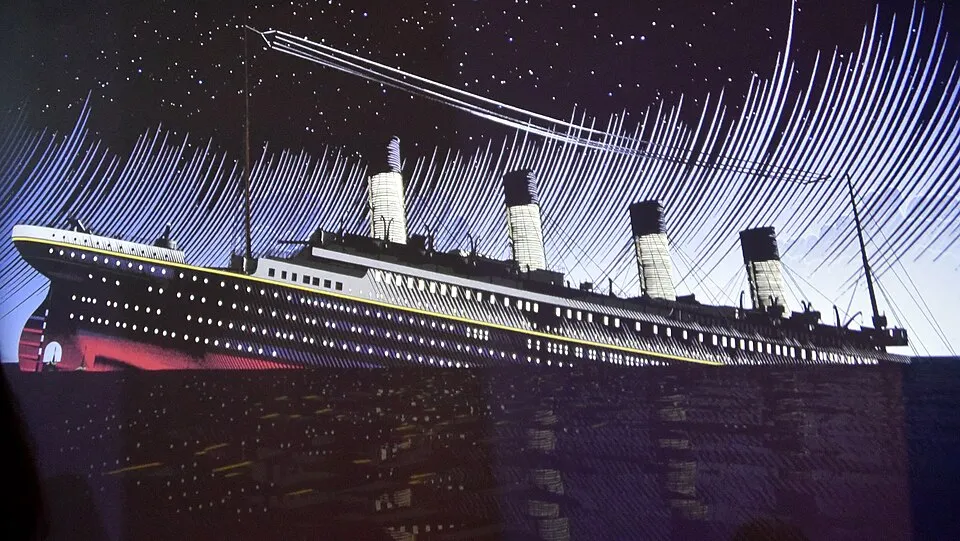
The museum doesn’t shy away from controversy — it presents the pride Belfast felt in building Titanic, but also the grief and global impact of her loss. Visitors are left to reflect on the human cost, the technological ambition, and the timeless fascination with this great ship.
Titanic Belfast has earned global acclaim, including being named the World’s Leading Tourist Attraction at the 2016 World Travel Awards. But more than awards, what it offers is connection — to a city, to its workers, and to a ship whose story still moves millions.
RMS Titanic – The Ship, Her Voyage, and Tragic End
Actual footage Pathé April 1912
The RMS Titanic was more than just a ship — she was a marvel of her time, a symbol of ambition, elegance, and industrial pride. Built by Harland & Wolff in Belfast for the White Star Line, she was the second of three Olympic-class liners and was designed to dominate transatlantic travel with unmatched luxury.
Construction began in 1909 and employed over 3,000 workers, many from Belfast’s working-class communities. The ship stretched 882 feet long, weighed over 46,000 tons, and was hailed as “practically unsinkable” — an unfortunate phrase that would later become tragically ironic.
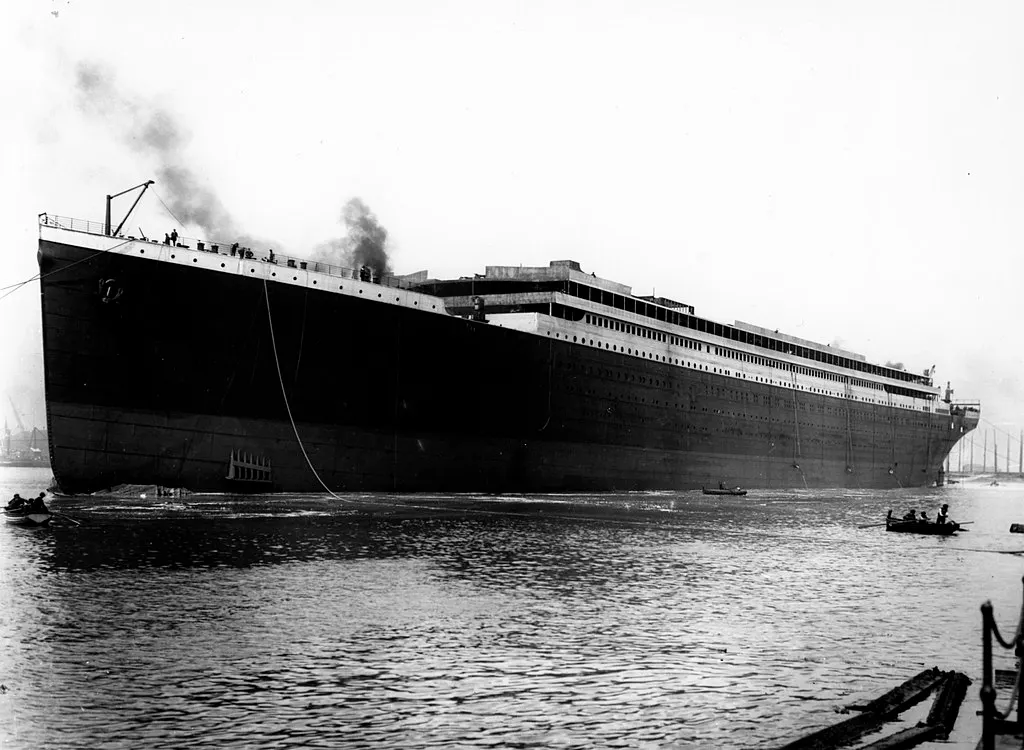
Titanic was launched on 31 May 1911 in a spectacular event watched by over 100,000 people. Once fitted out, she underwent sea trials and left Southampton on 10 April 1912 for her maiden voyage to New York.
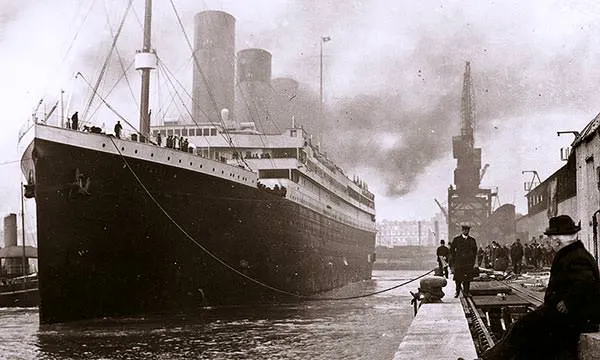
Titanic made her first stops in Cherbourg, France, and then Queenstown (now Cobh), Ireland. Queenstown was her last port of call on 11 April, where she picked up additional passengers and mail. At this point, she carried around 2,224 people, including some of the wealthiest and most powerful figures of the age — alongside hundreds of immigrants hoping for a new life in America.
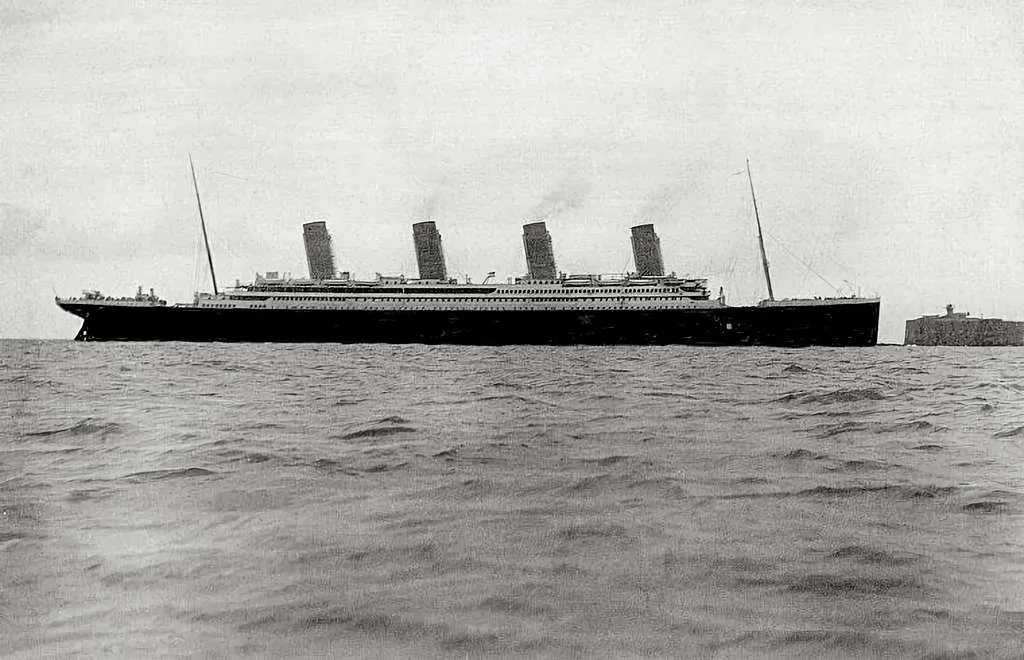
On board, Titanic was a floating palace. First-Class passengers enjoyed opulent staterooms, fine dining, a Turkish bath, and even a squash court. Second-Class passengers travelled in comfort superior to First Class on many other ships. Third-Class passengers, mainly emigrants, had modest but clean accommodation — a step up from steerage on older vessels.
Tragically, on the night of 14 April 1912, four days into the voyage and about 375 miles south of Newfoundland, Titanic struck an iceberg. Despite being built with watertight compartments, the iceberg tore a fatal gash below the waterline. Within hours, the “unsinkable” ship was doomed.
Confusion, inadequate lifeboats, and class-based boarding procedures led to catastrophic loss of life. Of the 2,224 people aboard, over 1,500 died, making it one of the deadliest peacetime maritime disasters in history.
Titanic’s final moments were both heroic and heartbreaking. Musicians played on to calm passengers, crew members helped families into lifeboats, and individuals made split-second decisions that would determine their fate. The Carpathia arrived the next morning to rescue the survivors.
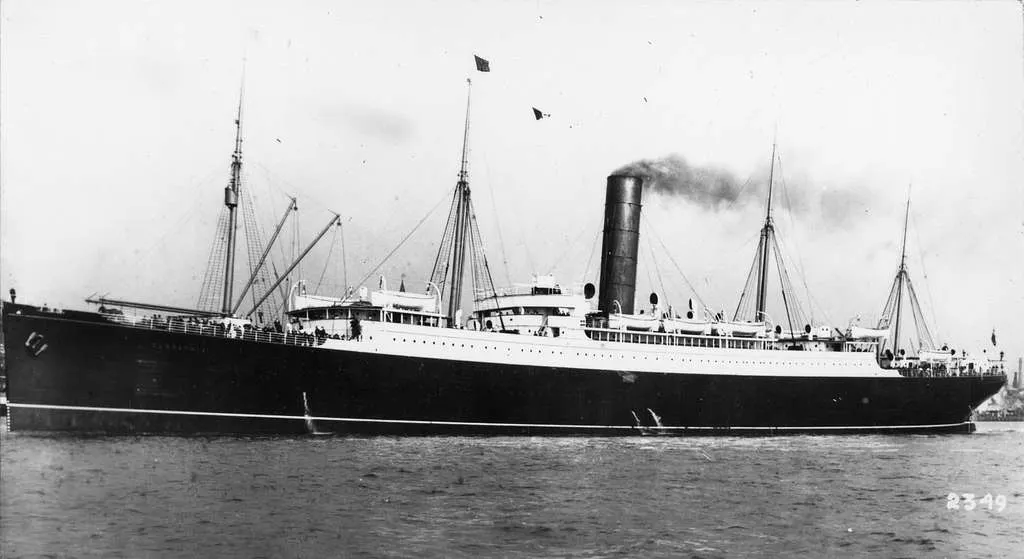
In the aftermath, public outcry led to sweeping changes in maritime law — including lifeboat requirements, ice patrols, and wireless communications protocols.
For Belfast, the tragedy was deeply personal. The shipbuilders mourned a vessel they had proudly created. While the city kept silent for years out of grief and shame, today it honours 'Titanic' not only as a story of loss, but of courage, craftsmanship, and the shared humanity of all those aboard.
More than a century later, 'Titanic' remains not just a sunken ship on the ocean floor, but a symbol of ambition, fragility, and remembrance.
Day1, 2, 3, 4, 5, 6, 7, 8, 9, 10, 11, 12