Wonders of Scotland and Ireland. 8
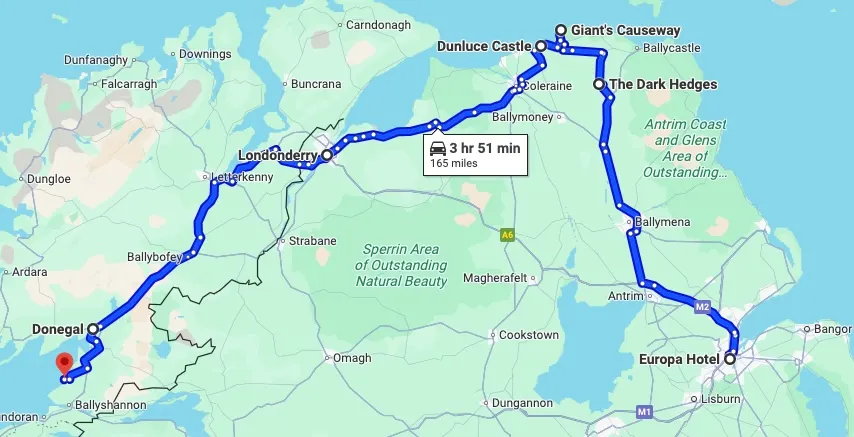
Day 8: From Belfast to Giant's Causeway, Londonderry and on to Donegal
Day1, 2, 3, 4, 5, 6, 7, 8, 9, 10, 11, 12
Northern Ireland is a land of rich folklore, dramatic coastlines, and ancient landscapes that stir the imagination. Among its most captivating sights are The Dark Hedges and The Glens of Antrim — two destinations that seem lifted from the pages of a fantasy novel, yet are very real and utterly accessible for visitors craving natural beauty and cultural depth.
The Dark Hedges: A Tunnel of Beech and Legend
Tucked away in rural County Antrim near the village of Ballymoney, The Dark Hedges is one of the most photographed natural landmarks in Northern Ireland. Planted in the 18th century by the Stuart family to impress visitors arriving at Gracehill House, this avenue of beech trees has grown into a hauntingly beautiful tunnel of intertwining branches.
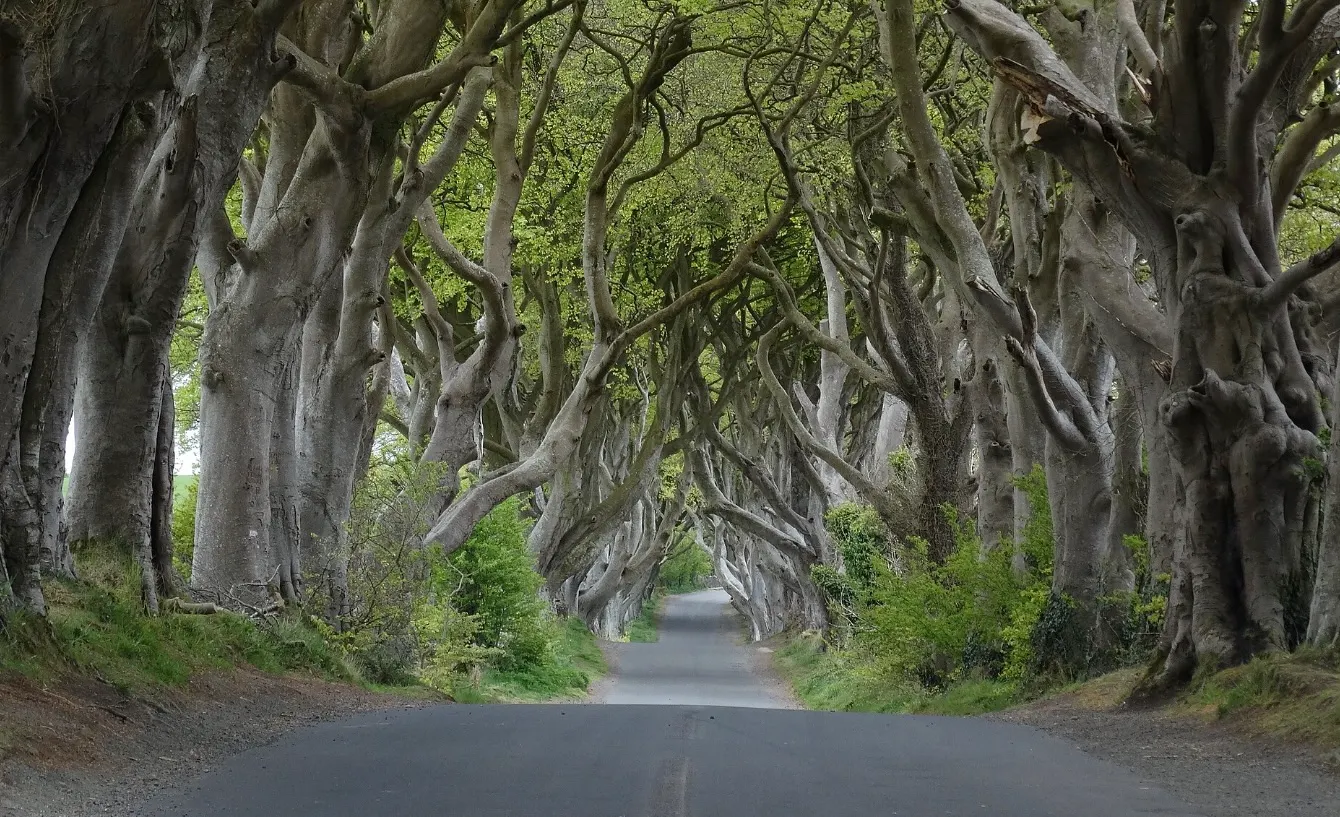
Dark Hedges
The twisted limbs of over 150 trees create an atmospheric canopy that changes with the seasons. In summer, sunlight filters through vibrant green leaves, while in autumn, golden tones add a sense of melancholy. In winter, the bare branches are skeletal and dramatic — a perfect backdrop for ghost stories and fantasy films.
Indeed, The Dark Hedges gained global fame as a filming location in HBO’s Game of Thrones, where it doubled as the Kingsroad. Since then, fans and curious travelers alike have flocked to experience the eeriness in person.
Local legend speaks of the “Grey Lady,” a ghostly figure said to wander among the trees at dusk. Whether you believe in spirits or not, the mood of the place is undeniably mystical.
The Glens of Antrim: Nature’s Northern Masterpiece
Just a short drive from The Dark Hedges lies the true heart of Antrim’s scenic heritage: The Nine Glens of Antrim. These deep, lush valleys carve their way from the Antrim Plateau down to the rugged coastline, offering a contrasting mix of serene inland beauty and dramatic coastal views.
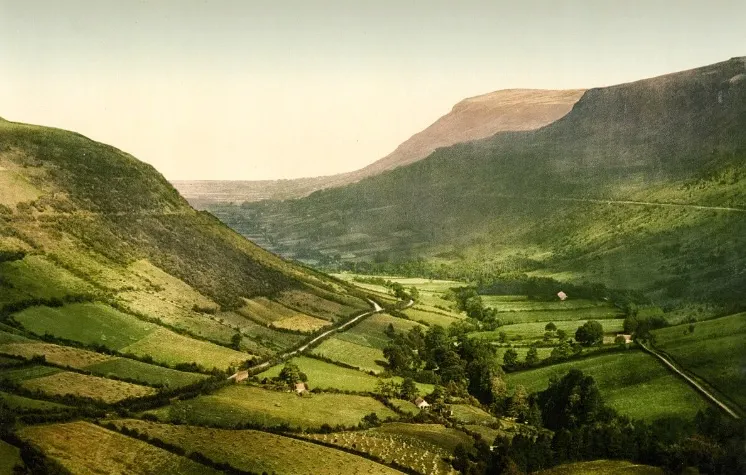
Glenariff
Each glen has its own character and charm. Glenariff, known as the “Queen of the Glens,” is perhaps the most visited, thanks to its breathtaking waterfalls and forest trails. The Glenariff Forest Park offers well-maintained walkways, ideal for hikers and families alike. Glenarm, the southernmost glen, is home to Glenarm Castle and a charming seaside village. Meanwhile, Glencorp and Glendun offer quieter, off-the-beaten-path experiences for those seeking solitude and raw nature.
Glenari
The Glens are steeped in Irish folklore and history. Tales of fairies, giants, and ancient warriors echo through the hills, and local storytelling traditions help preserve this rich cultural tapestry. Traditional music sessions in the nearby villages, such as Cushendall or Ballycastle, are the perfect way to end a day exploring the glens.
A Journey Through Time and Nature
Visiting The Dark Hedges and the Antrim Glens is more than a scenic detour — it’s a journey into a land where myth and landscape merge. Whether you’re a photographer, a history enthusiast, or simply in search of fresh air and unspoiled beauty, these Northern Irish gems offer an unforgettable experience.
The Giant’s Causeway: Northern Ireland’s Most Iconic Natural Wonder
Nestled along the rugged coastline of County Antrim lies one of the most extraordinary geological wonders in the world — the Giant’s Causeway. A UNESCO World Heritage Site and Northern Ireland’s most iconic attraction, this natural phenomenon draws visitors from across the globe with its breathtaking scenery, ancient myths, and unique rock formations.
Day1, 2, 3, 4, 5, 6, 7, 8, 9, 10, 11, 12
A Geological Marvel
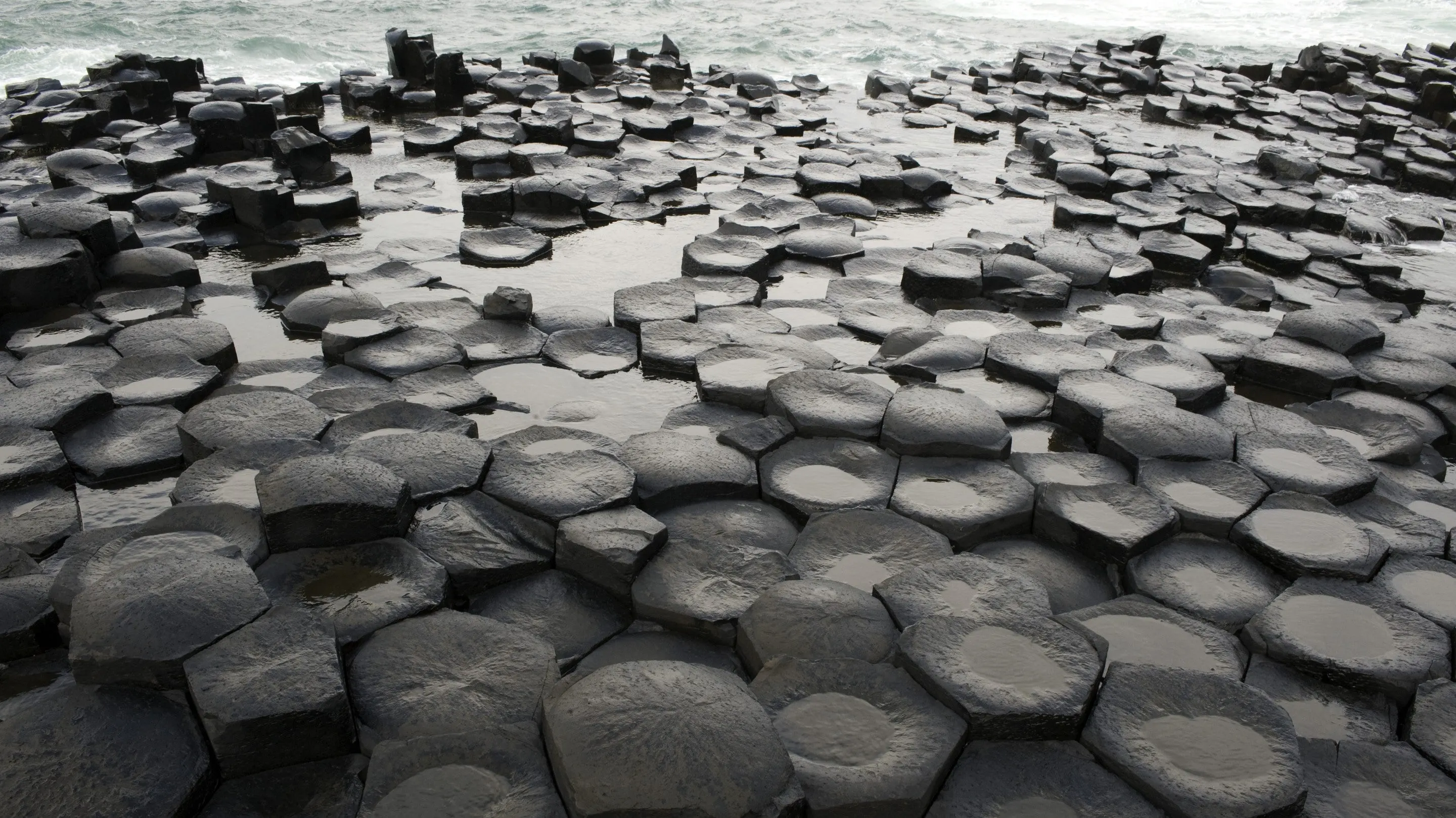
The Giant’s Causeway is made up of around 40,000 interlocking basalt columns, the result of an ancient volcanic eruption some 50 to 60 million years ago. As the molten lava cooled, it contracted and cracked into the distinctive hexagonal shapes that we see today. Some columns are perfectly geometric, rising like stepping stones from the sea; others are weathered and uneven, worn down by centuries of Atlantic wind and waves.
The symmetry of the rocks almost defies belief, leading many to question how nature could create something so precise. It’s no surprise that this otherworldly landscape has inspired countless legends.
The Legend of Finn McCool
According to local folklore, the Giant’s Causeway was not formed by lava, but by a giant named Finn McCool (Fionn mac Cumhaill). As the story goes, Finn built the causeway as a bridge to Scotland to challenge his Scottish rival, Benandonner. When Finn saw how large and fearsome Benandonner really was, he fled back to Ireland and disguised himself as a baby. When Benandonner saw the enormous “child,” he assumed the father must be even more massive — and ran back to Scotland, destroying the causeway behind him.

Remnants of the tale remain in the landscape. Look closely and you’ll spot formations nicknamed the Giant’s Boot, Wishing Chair, Organ Pipes, and even what some claim is Finn’s Camel — all fuel for the imagination.
A Scenic Adventure
The Giant’s Causeway is more than a single attraction — it’s part of a dramatic stretch of the Causeway Coast, known for its panoramic clifftop walks and crashing waves. The Causeway Coastal Route, which links Belfast to Derry~Londonderry, offers one of the most scenic drives in Europe, with the Giant’s Causeway as a highlight.
Visitors can explore the site via well-marked walking trails, ranging from easy strolls to more challenging hikes with sweeping sea views. The Clifftop Experience Walk between the Causeway and Dunseverick Castle is particularly rewarding for those seeking solitude and stunning scenery.
The Giant’s Causeway Visitor Centre provides an immersive introduction to the site, blending science, history, and myth with interactive exhibits and audio guides available in multiple languages.
Dunluce Castle: A Cliffside Ruin Steeped in Legend
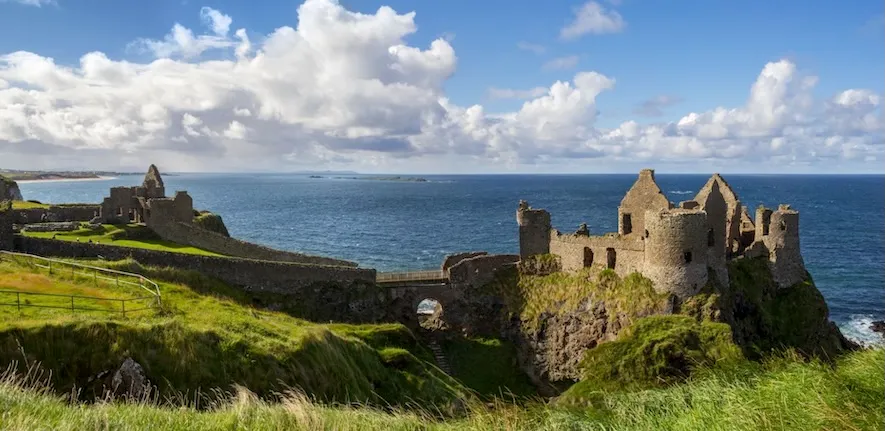
Perched dramatically on the edge of a basalt cliff along Northern Ireland’s Causeway Coast, Dunluce Castle is one of the most awe-inspiring ruins in Ireland. With waves crashing below and centuries of history woven into its stone walls, it’s no surprise that this iconic site continues to captivate visitors from around the world.
A Fortress with a View
Located between the towns of Portrush and Bushmills in County Antrim, Dunluce Castle was first built in the early 1500s by the MacQuillan family. In the 1550s, it was seized by the more powerful MacDonnell clan, who would go on to transform it into a grand fortress overlooking the Atlantic.
From the moment you arrive, it’s clear why this location was chosen — not just for its defensive advantages, but for its sheer beauty. The castle clings to the clifftop, separated from the mainland by a deep chasm, accessible only by a narrow stone bridge.
Tales of Tragedy and Turmoil
Like many ancient ruins, Dunluce is as famous for its legends as its architecture. The most enduring tale is that of the castle’s kitchen — which, according to local lore, collapsed into the sea during a fierce storm in the 1600s, taking the lives of the servants inside. While not all historians agree on the details, the story adds a haunting layer to the castle’s atmosphere.
Dunluce was also caught up in political and religious turmoil. It saw sieges, fires, and battles, especially during the Irish uprising of 1641. Eventually, the castle was abandoned in the late 17th century, left to the mercy of the wind and sea.
A Must-See on the Causeway Coast
Today, Dunluce Castle is managed by the Northern Ireland Environment Agency and is open to the public. Visitors can explore its ruins, climb its towers, and enjoy panoramic views of the wild coastline. It’s also just a short drive from the Giant’s Causeway, making it an essential stop along the Causeway Coastal Route.
Londonderry: A Walled City of History, Conflict, and Resilience
Londonderry — or simply Derry, depending on who you ask — is a city shaped by centuries of change, conflict, and culture. Located on the banks of the River Foyle in Northern Ireland, it’s a place where history is ever-present: in its medieval walls, its street murals, its museums, and in the voices of its people. From the Plantation of Ulster to the Siege of Derry and The Troubles of the 20th century, this city has endured and evolved — and today, it stands as a beacon of peace, pride, and
community spirit.
The Name: Derry or Londonderry?
The city’s name is itself a symbol of its complex history. Originally known as Doire, meaning “oak grove” in Irish, it was renamed Londonderry in 1613 after the Plantation of Ulster, when the city was rebuilt and fortified by English and Scottish settlers. The prefix “London” was added to reflect the involvement of the London guilds in funding the colonisation effort.
Today, the name you use often reflects your cultural or political identity — unionists tend to say Londonderry, while nationalists prefer Derry. Officially, the name remains Londonderry, but the debate continues. Interestingly, the city’s local government district is known as Derry City and Strabane, and road signs often show both names or cleverly avoid choosing sides.
The Plantation of Ulster
In the early 1600s, following the defeat of Gaelic Irish lords in the Nine Years’ War, the English Crown initiated the Plantation of Ulster, a large-scale colonisation of the north by Protestant settlers from England and Scotland. Derry, strategically located and historically significant, was selected as a central point for this effort.
In 1613, the Honourable The Irish Society — made up of London guilds — was granted the task of rebuilding the city. Streets were laid out in a grid pattern, a rarity at the time, and the iconic City Walls were constructed for defence. This planned colonial city became a stronghold of British rule in a predominantly Catholic province, laying the groundwork for centuries of division.
The Walled City: A Monument to Survival

Day1, 2, 3, 4, 5, 6, 7, 8, 9, 10, 11, 12
Today, Derry’s City Walls are among the best-preserved in Europe. Completed in 1618, they encircle the city’s historic core and remain completely intact. At 1.5 kilometres long and up to 8 metres thick in places, they provide a walking path that offers stunning views over the city and beyond.
Originally built to defend Protestant settlers, the walls now serve as a living monument to the city’s layered past. Key sites along the walls include St Columb’s Cathedral (the first Protestant cathedral built after the Reformation), The Apprentice Boys Memorial Hall, and the Royal Bastion, where a cannon from the Siege of Derry, known as “Roaring Meg,” still points defiantly outward.
The siege of Derry
Perhaps the most dramatic event in the city’s early history was the Siege of Derry in 1689. During the Williamite War in Ireland, the Catholic King James II attempted to retake the throne from the Protestant William of Orange. Derry, then a Protestant stronghold, refused to surrender.
On 18 December 1688, 13 apprentice boys — now legendary — famously slammed the city gates shut against the approaching Jacobite army. The siege lasted for 105 days, from April to August 1689, withstanding bombardments, starvation, and disease. The defenders were finally relieved by a Williamite ship that broke the boom across the River Foyle.
The Siege of Derry remains a defining moment in Protestant cultural identity in Northern Ireland and is commemorated each year by the Apprentice Boys of Derry
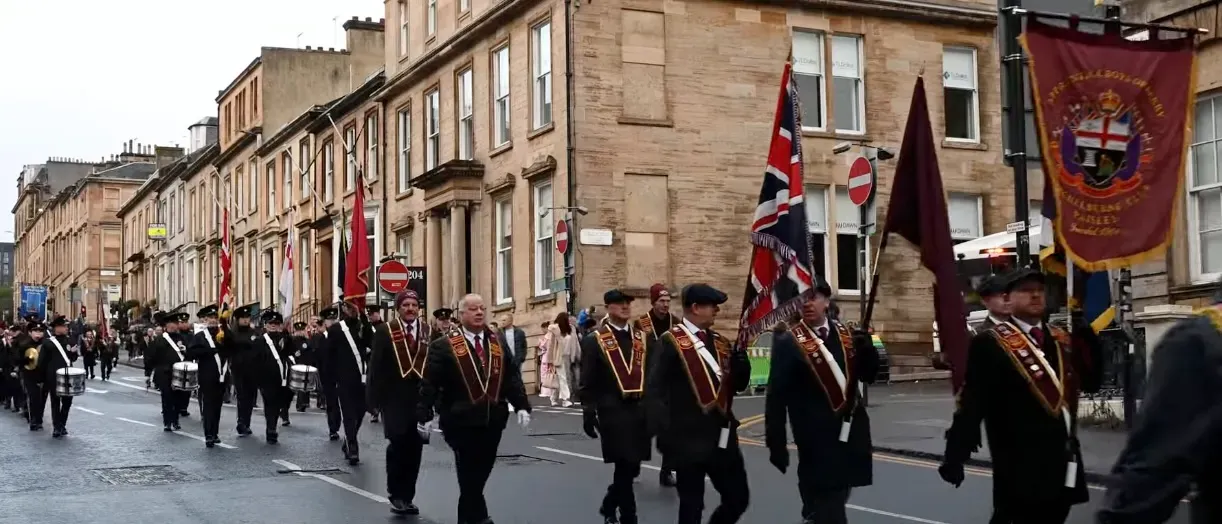
with marches, ceremonies, and symbolic events — including the burning of a wooden effigy of Lundy, the governor accused of treachery.
The Troubles: A Divided City
Fast-forward to the 20th century, and Derry once again found itself at the heart of conflict. In the late 1960s, Northern Ireland erupted into a period of violence known as The Troubles, a bitter and prolonged struggle between mainly Protestant unionists (who wanted to remain part of the United Kingdom) and mostly Catholic nationalists (who sought unification with the Republic of Ireland).
Derry, with its majority Catholic population and long history of inequality, became a flashpoint. Discrimination in housing, employment, and voting rights had created deep resentment, and in 1968, civil rights marches inspired by the American movement began. A peaceful march in Derry was violently broken up by police, sparking riots and leading to the rise of militant nationalism.
The most infamous day came on 30 January 1972 — Bloody Sunday — when British soldiers shot 26 unarmed civil rights protesters in the Bogside area, killing 14. The event shocked the world, fuelled the armed conflict, and deepened mistrust between communities.
Throughout The Troubles, the city was a site of intense violence, with bombings, shootings, and military presence commonplace. Murals on the Bogside walls, particularly those painted by the Bogside Artists, chronicle these turbulent years — serving both as memorials and warnings.
Derry Today: A City Reborn
Despite its painful past, Derry has transformed into a vibrant, creative, and hopeful city. It was named UK City of Culture in 2013, a title that helped showcase its arts, music, and storytelling tradition to the world. From the Tower Museum and the Museum of Free Derry to music festivals and community theatre, culture now serves as a tool for reconciliation and regeneration.
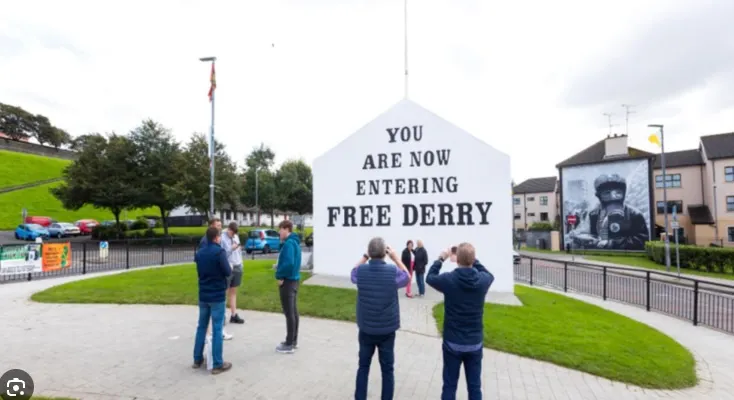
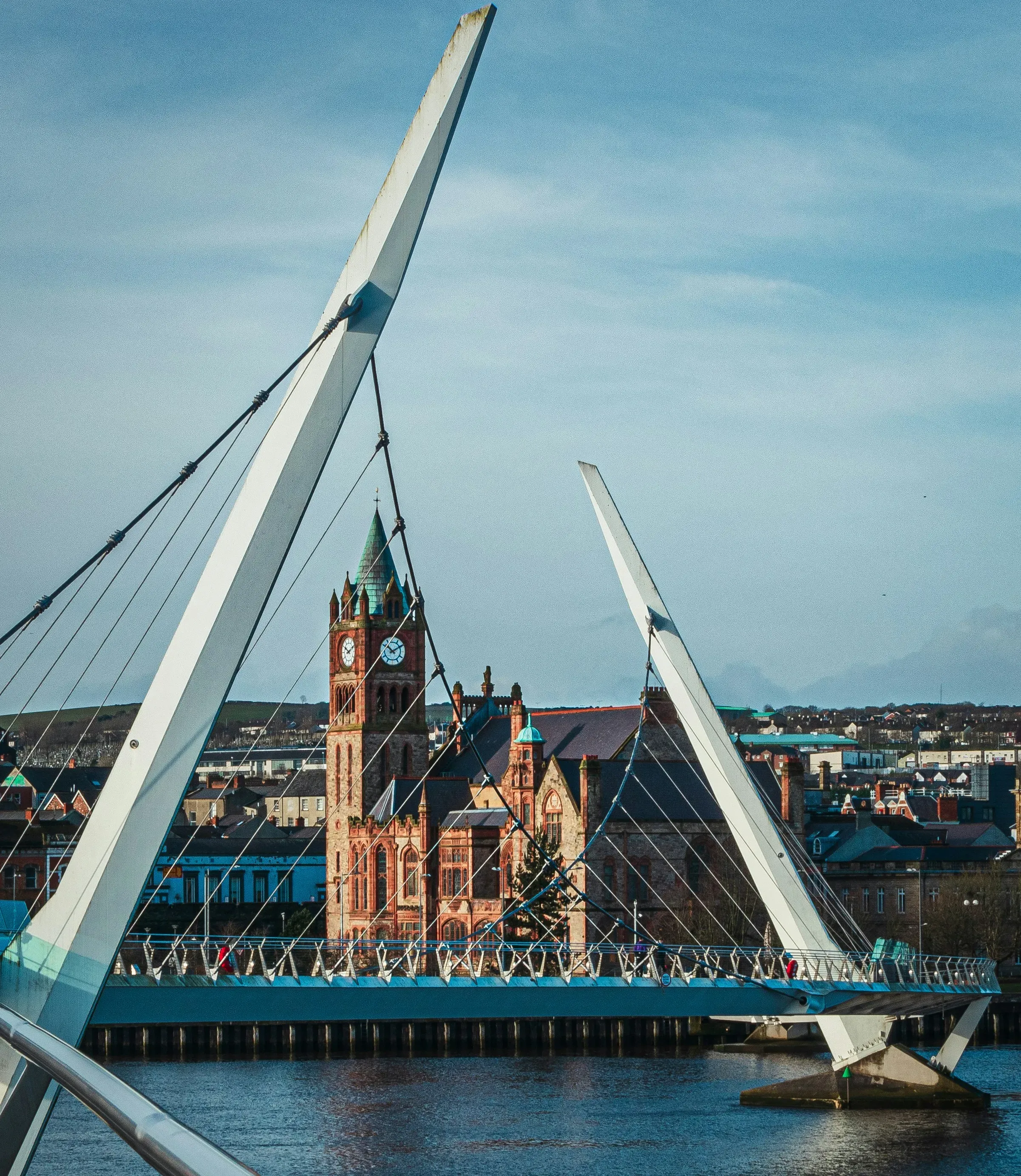
The Peace Bridge, a graceful structure connecting the historically unionist Waterside with the nationalist Cityside, is a literal and symbolic step toward unity. Opened in 2011, it represents a new chapter — one focused on healing, cooperation, and progress.
The people of Derry are its greatest strength: warm, witty, resilient, and fiercely proud of their city. While they may still disagree on its name, they stand united in wanting a better future for the next generation.
Tucked away in the rugged beauty of Ireland’s northwest, the town of Donegal is a charming gateway to some of the most dramatic landscapes the country has to offer. Located at the mouth of the River Eske, where it flows into Donegal Bay, this picturesque market town blends rich history, warm hospitality, and easy access to natural wonders — all wrapped in a relaxed, small-town atmosphere.
Donegal
A Town Steeped in History
Donegal town dates back to at least the 15th century and was once the stronghold of the powerful O’Donnell clan, one of the leading Gaelic families in Ireland. Their legacy is still visible today in the ruins of Donegal Castle, which was beautifully restored in the 1990s. The castle sits proudly in the town centre and offers fascinating insight into the life and struggles of medieval Ireland.
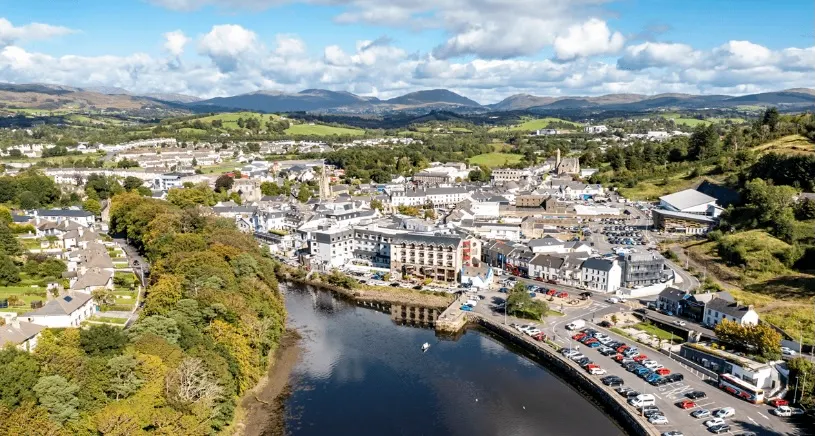
Nearby, the Donegal Friary — now a peaceful ruin — tells another part of the town’s story. Founded by the O’Donnells in 1474, it played a central role in the religious and political life of the region before being destroyed in the 17th century.
A Base for Adventure
Donegal town serves as a perfect base for exploring County Donegal, one of Ireland’s most scenic and untamed counties. Just a short drive away are highlights such as the Slieve League Cliffs, among the highest sea cliffs in Europe, offering breathtaking coastal views without the crowds of the Cliffs of Moher.
To the north lies the Bluestack Mountains, a hiker’s paradise, while the Wild Atlantic Way skirts the coast, leading to hidden beaches, windswept headlands, and welcoming villages. Surfers often head to nearby Rossnowlagh Beach, and nature lovers enjoy boat trips on Donegal Bay, which may even include dolphin sightings.
Culture, Crafts & Craic
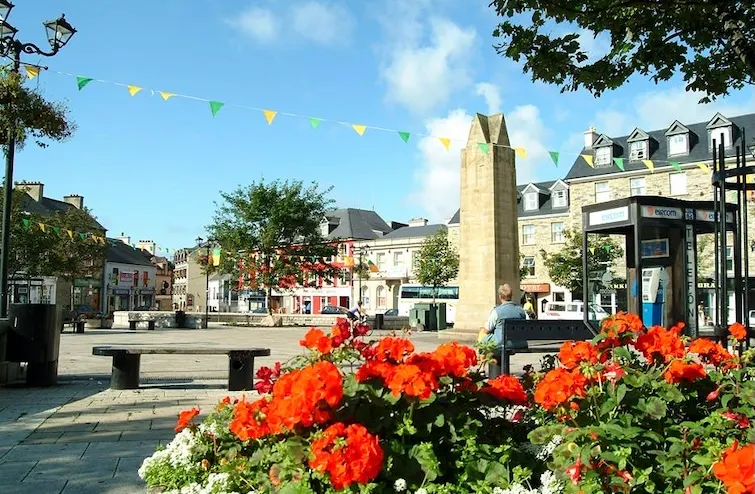
Donegal town may be small, but it has a vibrant cultural scene. Its town square, known as The Diamond, is the heart of local life, often buzzing with live music, markets, and festivals. Local shops sell traditional Donegal tweed, handwoven for generations in the surrounding hills, and cosy pubs offer live music and a warm
welcome.
Day1, 2, 3, 4, 5, 6, 7, 8, 9, 10, 11, 12