Wonders of Scotland and Ireland. 11
Day 11, The Ring Of Kerry and Killarney
Day1, 2, 3, 4, 5, 6, 7, 8, 9, 10, 11, 12
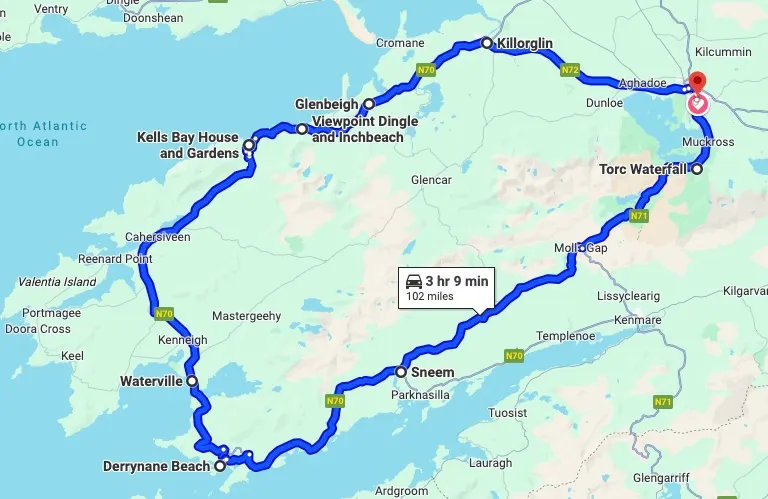
102 miles of bad road!
From Killarney to Killorglin by Dingle Bay to Kells House, then transit through Cahersiveen to Waterville. Then via Caherdaniel and Sneem to Torc Falls and back to Killarney.
Absolutely! Here’s a rewritten version of the Killarney travel blog in the style of Niall Tóibín – dry wit, gentle satire, a touch of storytelling, and plenty of observational humour that walks the line between affection and mischief. Think of it as half travelogue, half pub yarn.
Killarney: Where the Church of the Sloes Meets the Church of the Session
There are towns in Ireland that take themselves a bit too seriously — and then there’s Killarney, which knows exactly what it is: a place of great beauty, mild madness, and relentless hospitality. It’s like a charming uncle who insists on singing Danny Boy at every family function, and somehow gets away with it every time.
Cill Airne — The Church of the What Now?
Now, Killarney’s name in Irish is “Cill Airne”, which, believe it or not, means “Church of the Sloes.” Yes, sloes — those small, bitter purple berries that make your mouth implode when eaten raw and your aunt’s gin taste like an argument. Legend has it there was once a church here surrounded by sloe bushes. No word on what happened to the church, but the sloes are still thriving in gin bottles across the county.
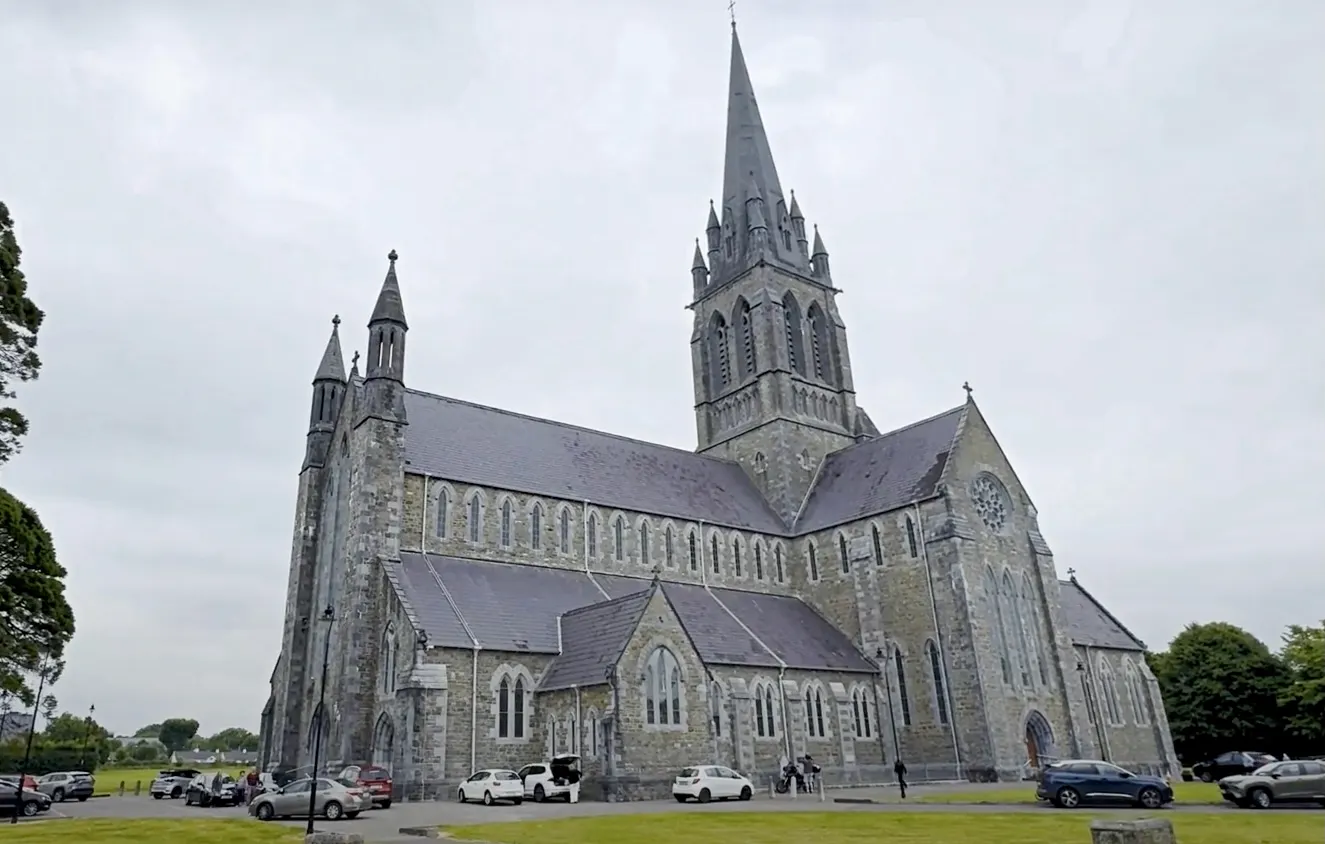
The name is oddly fitting: Killarney is half sacred, half wild. You’ve holy mountains, misty lakes, and the distinct feeling that a pagan god or two is still lurking in the rhododendrons.
Enter Lord Lansdowne: Developer, Dreamer, Man with Too Much Time
Modern Killarney as we know it owes a nod (and possibly a stiff drink) to Lord Lansdowne, an 18th-century toff with land, ideas, and not much else to be doing. He looked around at the scenery — the lakes, the mountains, the deer doing deer things — and thought, “Yes, what this place needs is a few wide streets and a good hotel.” So he set about turning this rural corner of Kerry into a town that could welcome the gentry, the artists, and eventually the Germans in sandals with socks.
Thanks to him, Killarney got proper streets, grand buildings, and — crucially — a train station, so visitors could be whisked in and out without having to endure 19th-century Irish roads, which were mostly potholes stitched together with prayer.
The Jaunting Car: Ireland’s First Uber
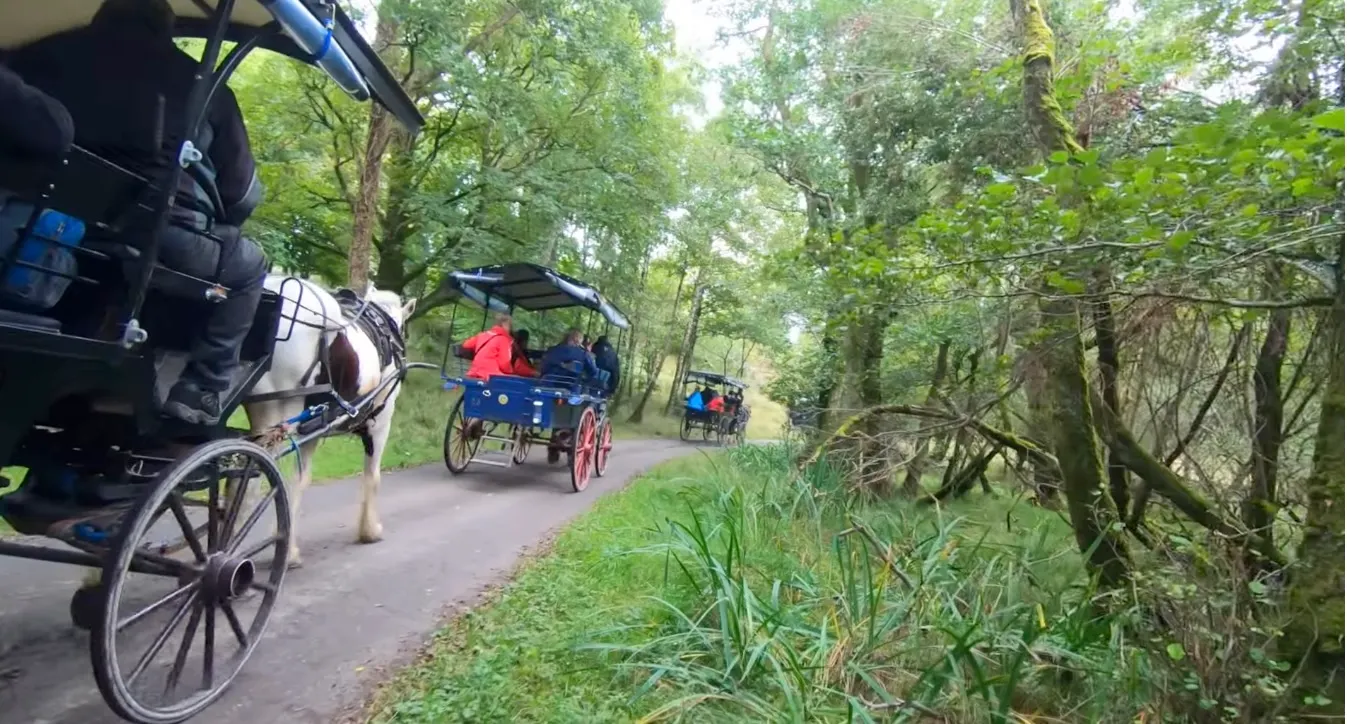
No visit to Killarney is complete without a spin in a jaunting car — a two-wheeled, horse-drawn contraption that looks like it was designed by someone who’d never heard of a back problem. You perch sideways, your knees intimately acquainted with strangers’, while a man in a flat cap called a jarvey shouts cheerful abuse at tourists and horses alike.
The Jarveys are a breed unto themselves. They’ve got more stories than the Old Testament and twice as many opinions. One ride with them and you’ll know everything from Queen Victoria’s toilet habits to the exact spot where “some fella from Dingle got chased by a goat in 1974.”
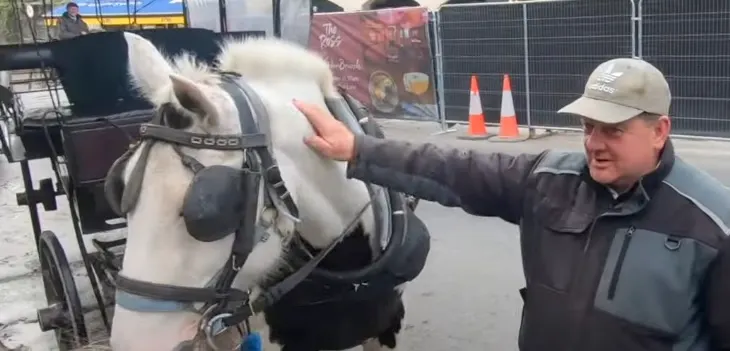
But they’re part of the fabric of Killarney. You can’t help but love them — unless you’re the horse, in which case you probably have strong feelings on the matter.
The National Park: Where Even the Trees Have Tenure
Killarney National Park is Ireland’s answer to Narnia — a place of lakes, mountains, and forests so lush that you half expect a talking badger to offer you directions. It was the country’s first national park, which means it was protected before protecting nature was fashionable.
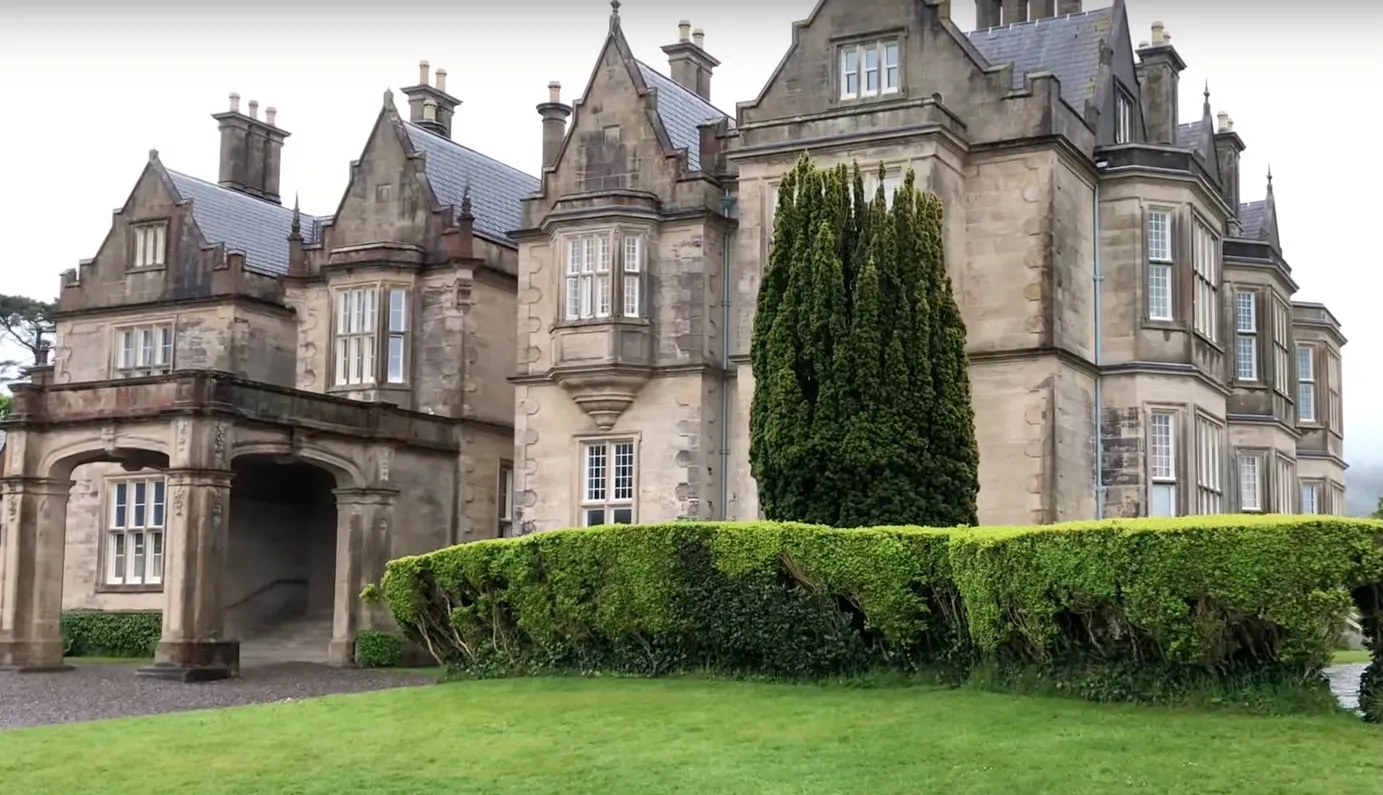
Here, you’ll find the red deer, who’ve been prancing about since the Stone Age and still refuse to follow pedestrian rules. There’s also Muckross House, a Victorian mansion so posh that Queen Victoria stayed there once and insisted on bringing her own bed. As one does.
If you’re feeling energetic (or guilty about the full Irish breakfast), there’s always the Gap of Dunloe — a scenic mountain pass best explored on foot, bike, or via a pony that will judge your fitness with its eyes. There’s also Torc Waterfall, which is what happens when Ireland decides to show off. It looks like something out of a shampoo commercial, only wetter.
Music, Blessed Music
Now, if there’s one thing Killarney loves more than scenery, it’s music. Not the “background while you drink coffee” kind — we’re talking proper trad sessions, where fiddles, flutes, and the occasional rogue banjo collide in a glorious racket that can make a statue tap its foot.
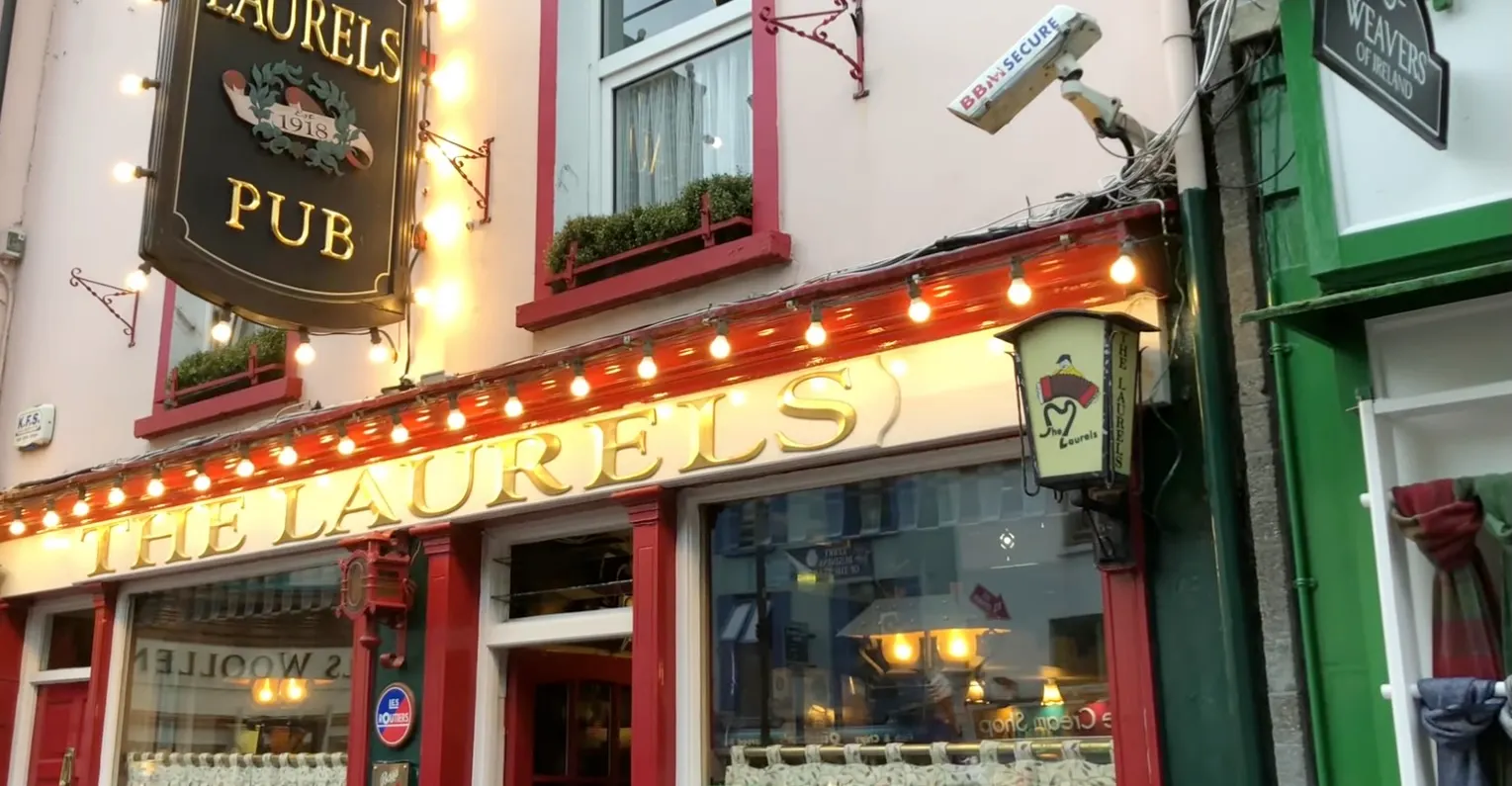
Pop into any pub — The Laurels, Murphy’s, Courtney’s, or whatever has the most bicycles parked outside — and you’ll likely find musicians deep in a session. No sheet music, no set list, and absolutely no mercy. Someone will start a reel, others will join in, and before long a 70-year-old man is step-dancing near the fireplace like he’s auditioning for Riverdance.
And then — because this is Killarney — someone will inevitably sing a ballad so sad it makes your pint of Guinness taste like regret. But don’t worry, the next tune will be a jig that sounds like a fight breaking out in a beehive, and the emotional whiplash will be part of the fun.
The Tourist Factor
Yes, Killarney is popular. It is overly popular. It’s the kind of place where you might hear five languages on the same street and spot a lad from Cork pretending to be a local for the sake of his Instagram followers. But there’s a reason for it. Killarney doesn’t just trade in beauty — it trades in charm, and charm, as we know in Ireland, is the nation’s greatest export after emigration and sarcasm.
Tourists don’t just come here for the views; they come to feel part of something. Whether it’s the lad singing at midnight, the Jarvey insulting your camera, or the moment the mist lifts over Lough Leane and the mountains reveal themselves like a slow striptease — Killarney knows how to make you feel welcome.
Even if it’s raining sideways. Which it probably is.
Final Thoughts (Because You’ve Probably Skimmed to the End Anyway)
Killarney is like that cousin you only see at weddings who tells the best stories, insists you try the whiskey, and convinces you to dance even though you swore you wouldn’t. It’s old and new, wild and polite, sacred and ever-so-slightly cracked.
Come for the landscapes. Stay for the music. Get insulted by a jarvey. And if you find yourself tipsy in a pub at 2 a.m., singing along to a song you only just learned, don’t worry — you’re doing Killarney right.
Leaving Killarney to begin the 102-mile circuit in an anti-clockwise direction, we head west ...
Day1, 2, 3, 4, 5, 6, 7, 8, 9, 10, 11, 12
The road between Killarney and Killorglin
a stretch of the legendary Ring of Kerry—offers a captivating introduction to County Kerry’s diverse and dramatic landscapes. Spanning just under 22 kilometers (about 14 miles), this scenic route winds through lush countryside, skirts majestic mountains, and passes through places steeped in both natural beauty and human history.
Leaving the lively town of Killarney, the road heads westward through the village of Fossa, nestled close to the shores of Lough Leane. Just outside Fossa lies the entrance to the Killarney Golf & Fishing Club, a world-renowned course set beside the lake, offering panoramic views of MacGillycuddy’s Reeks—including Carrauntoohil, Ireland’s highest peak. This area exudes serenity, with mirror-like waters reflecting the rugged peaks beyond.
Further along, the road passes the substantial Liebherr crane manufacturing plant, a surprising industrial landmark set against a backdrop of natural grandeur. This major employer in the region contrasts yet coexists harmoniously with the surrounding scenery, illustrating Kerry’s blend of tradition and modernity.
Not far from here, tucked quietly amid trees and farmland, stand the ruins of Ballymalis Castle, a 16th-century tower house once belonging to the O’Moriartys. Though roofless and weathered by time, its silhouette still commands attention, a reminder of the area’s Gaelic and Norman past.
As the road gently rises and curves west, the scenery opens to reveal sweeping views of valleys and mountains, with the Gap of Dunloe and Killarney National Park just out of sight beyond the southern ridge. The final stretch brings you alongside the tranquil River Laune, leading into the vibrant town of Killorglin, famed for its annual Puck Fair.